 Skip to main content Skip to footer
I am a heading
Restorative Dentistry in Issaquah, WA
Restore, Protect, and Perfect Your Smile at The Issaquah Dentist
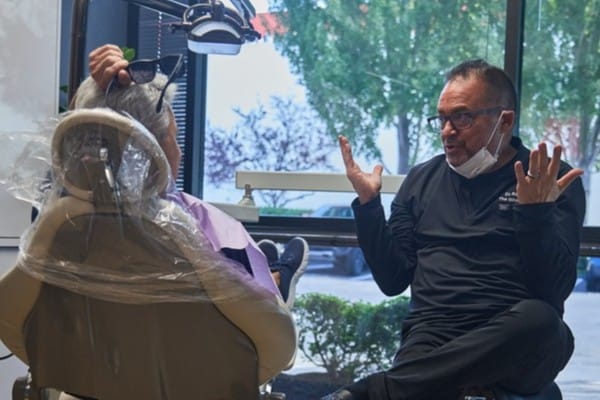
Cracked a tooth on a bagel? Lost a filling at the worst possible moment? Missing a tooth you’d rather not think about? Restorative dentistry in Issaquah, WA, repairs damaged, decayed, and missing teeth so you can chew, speak, and smile comfortably again. At The Issaquah Dentist, Dr. Ron Sherman treats tooth decay, fractures, and tooth loss with fillings, crowns, bridges, dental implants, and dentures, all in one friendly office.
Looking for an Issaquah dentist near you who explains every option before you decide? You’re in the right place. Contact our dental practice in Issaquah at (425) 391-4964 to schedule an appointment with Dr. Sherman.
What Is Restorative Dentistry?
Restorative dentistry is the part of dental care focused on repairing and replacing damaged, decayed, or missing teeth so they look, feel, and work like natural teeth again. Preventive dentistry helps you avoid problems. Dental restorations fix the ones that have already shown up.
The goal is simple: rebuild the shape, strength, and bite of your tooth, protect your oral health, and keep as many of your natural teeth as possible. Some restorations repair a single tooth, like a filling, inlay, onlay, or crown. Others replace missing teeth, like a dental bridge, dental implant, or set of dentures.
Today’s materials make that repair far less noticeable than it used to be. Tooth-colored composite resin, ceramic, zirconia, and lithium disilicate (E-max) blend with your smile, so a restored tooth can be hard to tell from its neighbors.
Why Issaquah Patients Choose The Issaquah Dentist
Discover why Dr. Sherman is your go-to for top-notch restorative care:
- Experience you can trust. Dr. Ron Sherman has more than 30 years of experience, so you’re in skilled hands for everything from a first filling to a full restoration.
- Straight talk and real options. You’ll hear what you need, what can wait, and what it costs, without pressure.
- A comfortable, pain-free approach. We use local anesthetic and take your comfort seriously. If dental visits make you nervous, see our anxiety-free dentistry options.
- One office for the whole family. From cleanings to crowns, we handle family dentistry under one roof.
- Convenient for the Eastside. We’re at 5825 221st Pl. SE in Issaquah and welcome patients from Sammamish, Klahanie, Issaquah Highlands, Bellevue, Newcastle, Renton, and nearby communities.

Signs You May Need Restorative Dentistry

Not every dental problem announces itself with pain. Here’s what to watch for:
- A toothache, or sensitivity to hot, cold, or sweets that lingers
- A visible pit, dark spot, or rough patch that suggests tooth decay
- A cracked, chipped, or broken tooth
- A filling or crown that feels loose, cracked, or worn down (decay can creep in around the edges)
- Food that constantly gets stuck in the same spot
- Pain when you bite down or let go
- Teeth worn flat from clenching or grinding
- A missing tooth or dentures that slip or click
- Swollen or tender gums around one tooth
Many of these concerns start silently. Regular exams and X-rays help us catch decay before it hurts, when treatment is usually simpler and more affordable. If something already feels off, don’t wait it out: a small cavity is much easier to fix than a broken tooth. Need help right now? Visit our emergency dentistry page to learn what to do, or call us.
Our Restorative Dentistry Services in Issaquah
Tooth-Colored Fillings
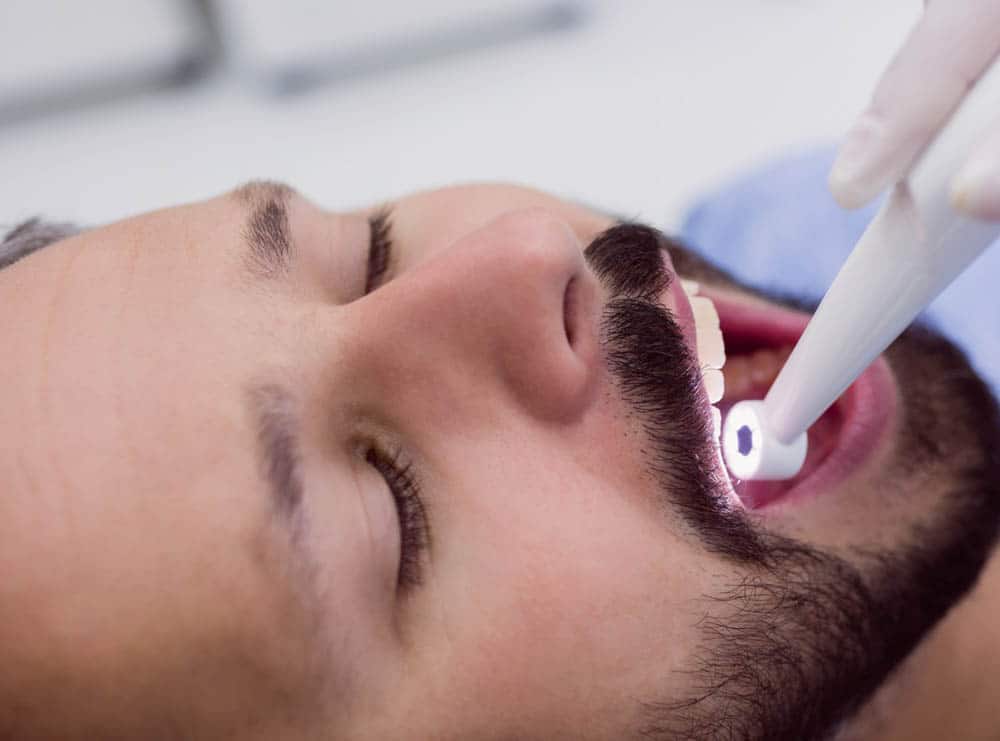
A tooth-colored filling repairs a tooth damaged by decay. We use composite resin, a tooth-colored material that bonds directly to your tooth, instead of traditional silver metal. Dr. Sherman numbs the area if needed, removes the decay, matches the resin to your natural shade, shapes it, and polishes it so it blends in. Because composite bonds to the tooth, we can usually remove less healthy enamel than metal fillings require, and the result is mercury-free.

Inlays and Onlays
Sometimes a cavity is too big for a filling but doesn’t call for a full crown; instead, an inlay or onlay is used. An inlay fits inside the bumps (cusps) of your tooth, while an onlay covers one or more cusps. Made from durable ceramic, they strengthen the tooth, seal out bacteria, and preserve more of your natural tooth than a full crown. They’re a smart choice for large cavities, cracked cusps, or replacing an old, oversized filling. Ask about them during your exam, or read about fillings and conservative repairs.
Dental Crowns
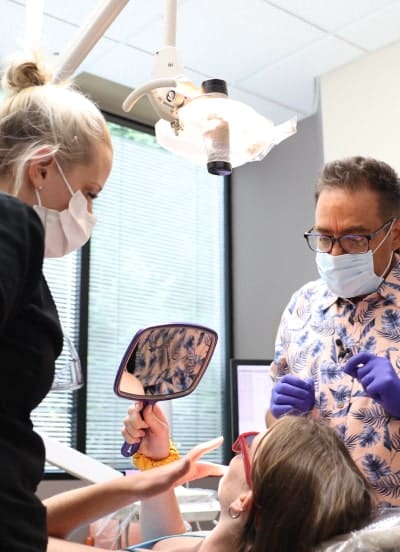
A dental crown is a custom-made cap that covers the entire tooth, restoring its shape, strength, and appearance. A tooth may need a crown if it has significant decay that a filling can’t repair, a crack, a leaking filling, or an older crown with decay underneath. If more than about half of your natural tooth structure remains after decay removal, a filling is generally sufficient.
We offer three metal-free crown materials:
- Full porcelain: Natural-looking translucency and good strength.
- E-max (lithium disilicate): A strong, highly aesthetic ceramic that’s ideal for front teeth.
- Full zirconia: Extremely durable, impact-resistant ceramic for back teeth and heavy biters.
Crowns take two visits. At the first visit (about 90 minutes), we numb the area, remove decay, and shape the tooth. You leave with a temporary crown while a dental lab creates your custom permanent crown from your impression. About two weeks later, a 30-minute visit lets us check the fit and cement the permanent crown.
Dental Bridges
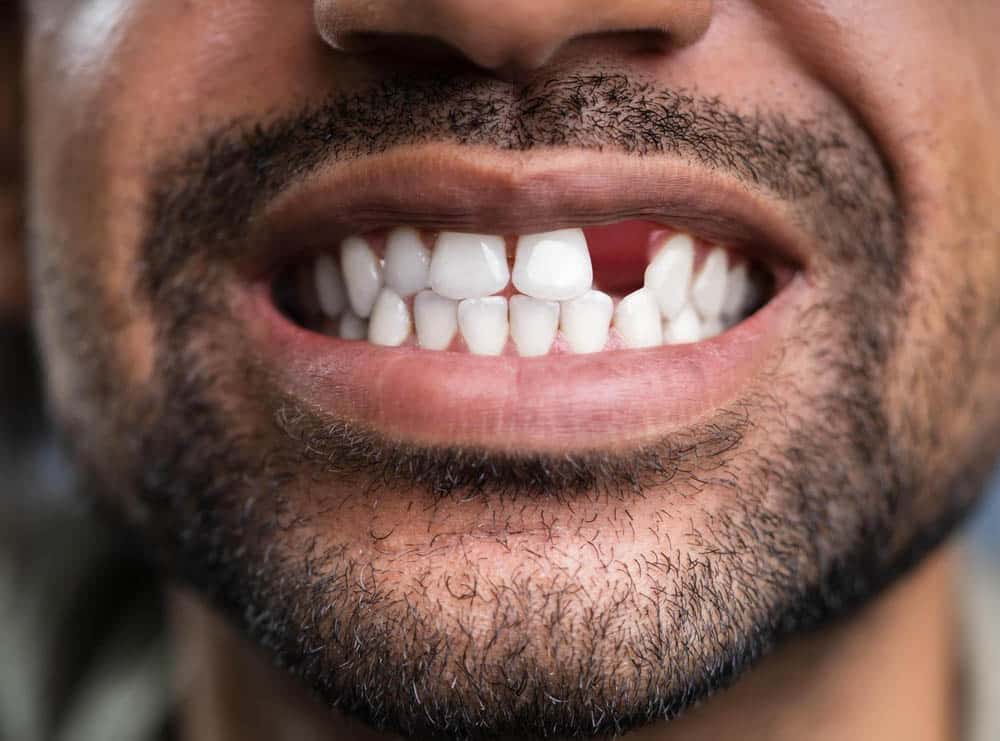
A dental bridge replaces one or more missing teeth by anchoring a replacement tooth to the teeth or implants beside the gap. A traditional bridge uses crowns on the neighboring teeth, which means reshaping healthy enamel. An implant-supported bridge is different: two dental implants can support a bridge that replaces three or more adjacent teeth, with no need to alter the natural teeth next to the gap. It also helps preserve your jawbone.
Dental Implants
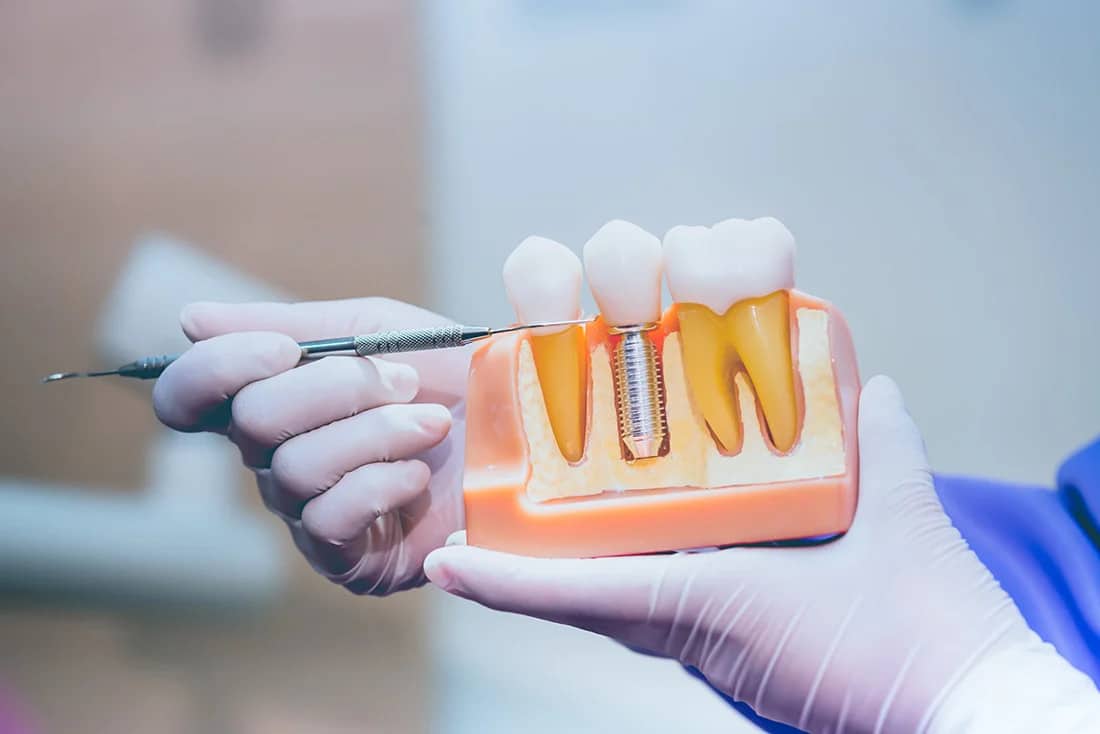
A dental implant is a small titanium post placed in your jawbone that fuses with the bone over time, acting like a natural tooth root. A custom crown, bridge, or denture then attaches on top. Implants look and feel like natural teeth, don’t depend on neighboring teeth for support, and help keep the jawbone strong. Success depends on healthy gums and enough bone, and the process typically takes several months from start to finish.
Dentures
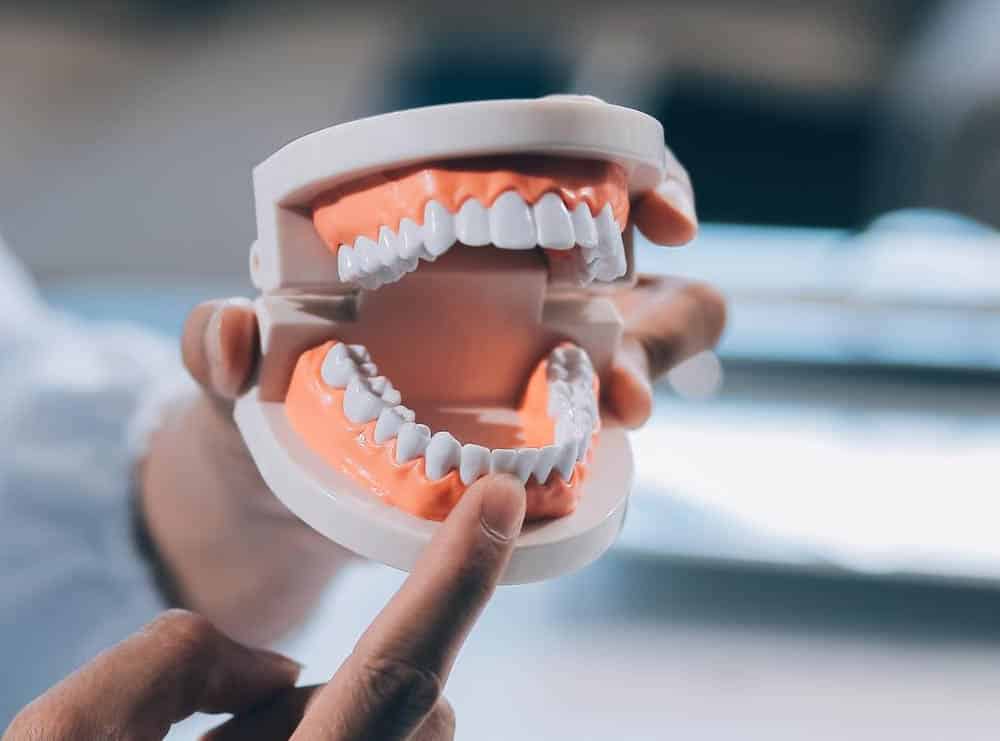
If you’re missing many or all of your teeth, dentures can restore your ability to eat, speak, and smile with confidence. Complete dentures replace an entire arch, and partial dentures fill gaps while working with your remaining teeth. Dentures can also be anchored to dental implants for a more secure fit.

Tooth Extractions
We always try to save your natural teeth first rather than immediately choosing tooth extractions. But when a tooth is too damaged to repair, such as from severe decay, a fracture below the gumline, or advanced gum disease, removing it protects the surrounding teeth and your overall dental health. We’ll talk about how to replace the tooth afterward, because gaps let neighboring teeth drift and can lead to bone loss.

Full Mouth Reconstruction
When you have widespread wear, decay, missing teeth, or bite problems, restoring one tooth at a time may not be enough. Full mouth reconstruction, or smile makeover, combines crowns, bridges, implants, and dentures into one phased plan designed around your bite and your goals. If you’d also like to change how your smile looks, we can build that in through a smile makeover.
Filling, Crown, or Implant? How We Decide
Every mouth is different, so this is a starting point rather than a diagnosis. After your exam and X-rays, we’ll walk you through the options.
- Small to Moderate Cavity: Tooth-colored filling to preserve as much natural tooth as possible.
- Large Cavity or Damaged Cusp: Inlay or onlay to strengthen the tooth without a full crown.
- Extensive Decay, a Crack, or a Failing Older Restoration: A dental crown to cover and protect the whole tooth.
- One Missing Tooth: Dental implant or bridge to restore chewing and prevent shifting.
- Several Missing Teeth in a Row: Implant-supported bridge or partial denture to fill the gap and support your bite.
- Most or All Teeth Missing: Dentures or implant-supported dentures to rebuild full-arch function.
- A Tooth That Can’t Be Saved: Extraction, then replacement to stop infection and protect nearby teeth.
We explain the pros, cons, and costs of each choice, and you decide.

Real People, Bright Smiles, Spittin' Facts!
See what our patients have to say.

Restorative vs. Cosmetic vs. Preventive Dentistry
Fill in the gaps and get back to grinning in no time!
These three often overlap, so here’s how they fit together:
- Preventive dentistry (cleanings, exams, sealants) keeps healthy teeth healthy.
- Restorative dentistry repairs damage and replaces missing teeth so they function well.
- Cosmetic dentistry improves appearance through teeth whitening, Invisalign, veneers, dental bonding, and smile makeovers.
Plenty of treatments do both jobs. A ceramic crown restores a broken tooth and looks natural. As a family dentistry office, we can combine restorative dentistry and cosmetic dentistry procedures in a single plan, so you get teeth that work and a smile you like. Your overall oral health and dental health come first, and the cosmetic dental treatment builds on that foundation.
Materials and Technology Behind Modern Restorative Dentistry
Restorative dentistry has changed a lot in recent years, and a few trends are worth knowing about:
Metal-Free Ceramics
Zirconia and lithium disilicate dominate modern crowns. Newer zirconia is both very strong and more translucent than it used to be, so it looks more like natural enamel.
Advanced Dental Technology
We use modern dental technology such as digital scanners, CBCT 3D imaging, intraoral cameras, high-precision Kavo handpieces, and digital X-rays to ensure precise diagnoses, efficient treatment, and maximum patient comfort.
Better Bonding
Modern adhesives let dentists conserve more natural tooth structure with dental fillings, inlays, and onlays.
Implant Advances
Improved implant designs and imaging help plan placement precisely, and tooth-colored zirconia implants are becoming an option in select cases.
Not every trend fits every patient. We choose materials based on where the tooth is, how hard you bite, whether you grind, and how you want the tooth to look. Our crowns are custom-made by a dental lab from your impression, with a temporary crown protecting your tooth in between visits.
Restorative Dentistry Costs, Delta Dental, and Insurance in Issaquah
Cost depends on the treatment, the tooth, the material, and how much work is needed. As a general rule, fillings and inlays cost less, crowns and bridges cost more, and implants and full mouth reconstruction are the largest investments (though many last for decades). Treating a problem early almost always costs less than waiting.
Most dental plans cover part of restorative dentistry, such as fillings and crowns, and coverage for implants varies. We’re an in-network Delta Dental Preferred Provider, including for employees of Microsoft, Amazon, Google, and Facebook. Our team works to maximize your insurance benefits: we check your coverage, explain what to expect, and talk through estimated costs before you commit. Many plans reset benefits each year, so it’s worth asking whether you have unused coverage.
Learn more on our Delta Dental dentist page or our insurance and financial solutions section.

Frequently Asked Questions
How long do fillings, crowns, and dental implants last?
There are no guarantees, because lifespan depends on the material, the tooth’s location, your bite, whether you clench or grind, and how well you care for your teeth. Well-cared-for crowns commonly last a decade or more, composite fillings often last many years, and implants can last for decades. Brushing, flossing, and regular cleanings and exams are the best way to protect any restoration.
Does Delta Dental cover restorative dentistry?
Coverage depends on your specific plan, but most plans cover a portion of fillings and crowns, and implant coverage varies. We’re an in-network Delta Dental Preferred Provider, including for Microsoft, Amazon, Google, and Facebook employees. Bring your insurance card to your visit, and our team will review your benefits and explain your estimated costs before treatment begins.
Will restorative dentistry hurt?
We numb the area with a local anesthetic, so most patients feel pressure but not pain. Mild sensitivity afterward is common and usually fades within a short time. If dental anxiety is holding you back, our anxiety-free dentistry options can help you feel relaxed and in control.
What should I do about a cracked tooth or a lost filling or crown?
If you’re dealing with a dental emergency, call The Issaquah Dentist right away at (425) 391-4964. In the meantime, rinse gently with warm water, avoid chewing on that side, and save any tooth fragments or the crown itself. Don’t try to glue a crown back on with household adhesive.
Our office is open Monday through Wednesday from 7:30 am to 4:00 pm and Thursday from 7:30 am to 3:00 pm. Facial swelling with a fever or trouble breathing is an emergency, so go to the nearest ER.
What's the best way to replace a missing tooth: implant, bridge, or dentures?
Each has a place. A dental implant doesn’t rely on neighboring teeth and helps preserve your jawbone. A bridge is typically faster, though a traditional bridge requires reshaping adjacent teeth unless it’s implant-supported. Dentures are a practical option when several or all teeth are missing. The right choice depends on your bone and gum health, your goals, and your budget, and we’ll compare them with you at your consultation.
Can restorative work also improve how my smile looks?
Absolutely. Tooth-colored fillings, ceramic crowns, and veneers restore function and appearance at the same time. One tip: teeth whitening doesn’t change the color of crowns or fillings, so it’s best to whiten first and then match your restorations to the new shade. Ask us about a smile makeover if you’d like to plan both together.
Book Your Restorative Dentistry Visit in Issaquah
Ready to fix that tooth and get back to eating, laughing, and smiling without a second thought? Contact The Issaquah Dentist at (425) 391-4964 to schedule a visit with your Issaquah dentist today. During your visit, we’ll listen, explain your options in plain language, and build a plan that fits you. We welcome patients in Issaquah and surrounding areas like Sammamish, Bellevue, North Bend, Redmond, and many more.